Double-Paired Hands in PLO: Which Ones Actually Play
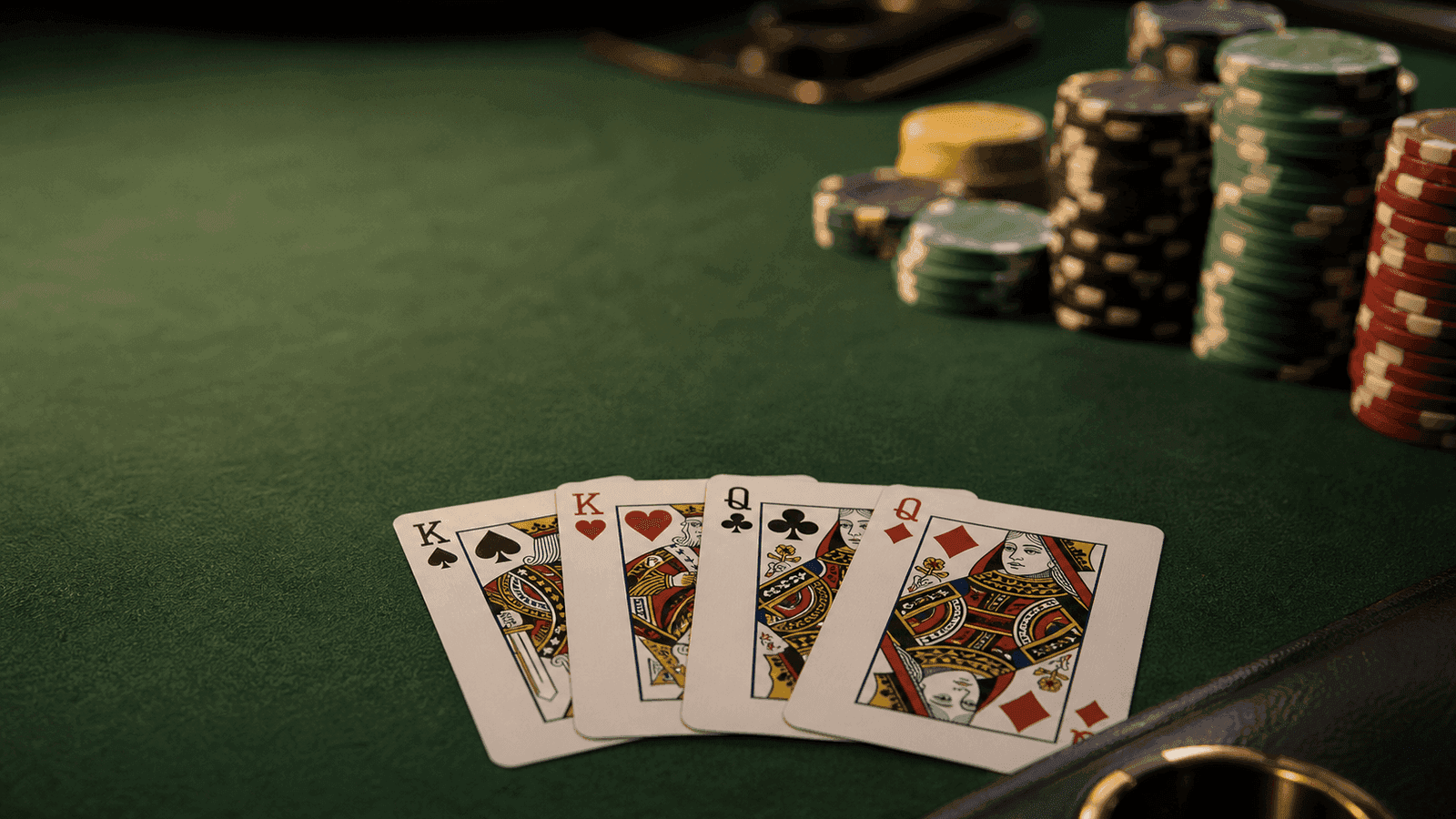
Learn which double-paired hands in PLO are real opens, calls, or folds with tier rules, close hand comparisons, board texture guidance, and examples.
Topic
Hand selection, structure, and the math behind premium PLO holdings.
13 articles
Visual guides
Start with these when the concept benefits from a picture, not just a hand history.

Learn which double-paired hands in PLO are real opens, calls, or folds with tier rules, close hand comparisons, board texture guidance, and examples.

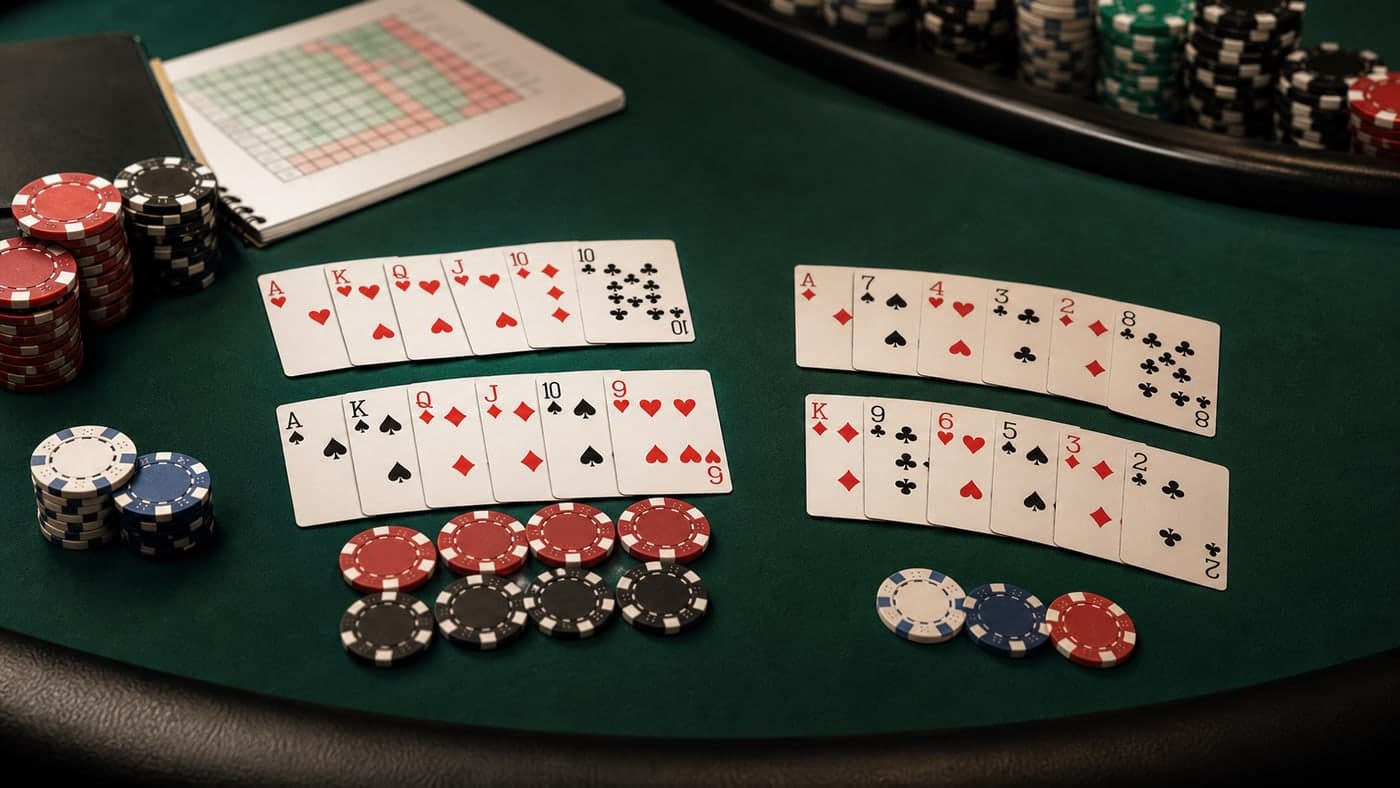
Compare broadway-heavy PLO hands with middle rundowns and learn when each class of hand performs best.

See how gaps reduce straight potential in Omaha and why smoother connectivity leads to stronger wraps and better playability.
The core articles to read first in this topic.

Learn the best PLO starting hand classes, why structure beats raw card rank, and how position, suits, connectivity, and stack depth change hand value.

See which PLO starting hands are traps, why disconnected holdings lose money, and how to avoid playing dominated structures.

Learn how to judge premium versus weak aces in PLO, when to 3-bet AAxx, and when aces become a postflop problem.
Higher-leverage spots once the basics are stable.

Learn why double-suited hands are premium in PLO, including PLO5 single-suited vs double-suited definitions, nut-flush potential, and hand structure.

Understand why rundowns are powerful in Pot-Limit Omaha, which structures perform best, and how deep stacks increase their value.

Learn which double-paired hands in PLO are real opens, calls, or folds with tier rules, close hand comparisons, board texture guidance, and examples.

Learn five-card PLO starting-hand strategy for WSOP-style fields with action matrices, exact tournament formations, and PLO5 calculator examples.

Tighten PLO6 microstakes ranges by structure, position, stack depth, and table density before moving up.

Learn when small pairs are playable in Omaha, why set mining works differently, and how side-card strength changes everything.

Compare broadway-heavy PLO hands with middle rundowns and learn when each class of hand performs best.

See how gaps reduce straight potential in Omaha and why smoother connectivity leads to stronger wraps and better playability.

Compare single-suited and rainbow PLO hands, see how much suitedness affects equity, and learn which rainbow holdings remain playable.
Ranked by topic fit first, then recency.

Learn the best PLO starting hand classes, why structure beats raw card rank, and how position, suits, connectivity, and stack depth change hand value.

See which PLO starting hands are traps, why disconnected holdings lose money, and how to avoid playing dominated structures.

Learn how to judge premium versus weak aces in PLO, when to 3-bet AAxx, and when aces become a postflop problem.

Learn why double-suited hands are premium in PLO, including PLO5 single-suited vs double-suited definitions, nut-flush potential, and hand structure.

Understand why rundowns are powerful in Pot-Limit Omaha, which structures perform best, and how deep stacks increase their value.

Learn which double-paired hands in PLO are real opens, calls, or folds with tier rules, close hand comparisons, board texture guidance, and examples.

Learn five-card PLO starting-hand strategy for WSOP-style fields with action matrices, exact tournament formations, and PLO5 calculator examples.

Compare broadway-heavy PLO hands with middle rundowns and learn when each class of hand performs best.

Compare single-suited and rainbow PLO hands, see how much suitedness affects equity, and learn which rainbow holdings remain playable.

Learn how connectivity, suitedness, high cards, and nut potential combine to make a strong and profitable Omaha starting hand.

Tighten PLO6 microstakes ranges by structure, position, stack depth, and table density before moving up.

Learn when small pairs are playable in Omaha, why set mining works differently, and how side-card strength changes everything.

See how gaps reduce straight potential in Omaha and why smoother connectivity leads to stronger wraps and better playability.