Visual guide

Postflop Strategy9 min read
Redraws in PLO: The Hidden Equity That Changes Everything
Learn why made hands with redraws dominate so many PLO spots and how redraws affect stack-off decisions.
Topic
C-betting, draws, made hands, and navigating turn and river decisions.
26 articles
Visual guides
Start with these when the concept benefits from a picture, not just a hand history.
Learn why made hands with redraws dominate so many PLO spots and how redraws affect stack-off decisions.

Understand how blockers work in Omaha and how nut blockers improve river bluffing and hand reading.
See why non-nut flushes cost players so much money in PLO and how better river discipline saves stacks.
The core articles to read first in this topic.
Learn which flop textures favor c-betting in PLO, when checking is stronger, and how multiway dynamics change everything.

Learn how to play straight draws, flush draws, and combo draws in Omaha without overcommitting with weak equity.
Higher-leverage spots once the basics are stable.
Build better turn check-raise ranges in PLO by understanding blockers, nut advantage, stack depth, and which bluffs actually print.

Master defending against advanced Pot-Limit Omaha aggression. Learn to counter overbets and multi-street pressure in cash games.

Learn when donk betting in PLO makes sense, which boards favor the caller, and how to build balanced lead ranges for value and bluffs.
Top set is a chassis, not a hand — side cards swing it 30 equity points against the same nuts. Price your redraws before you build the pot.
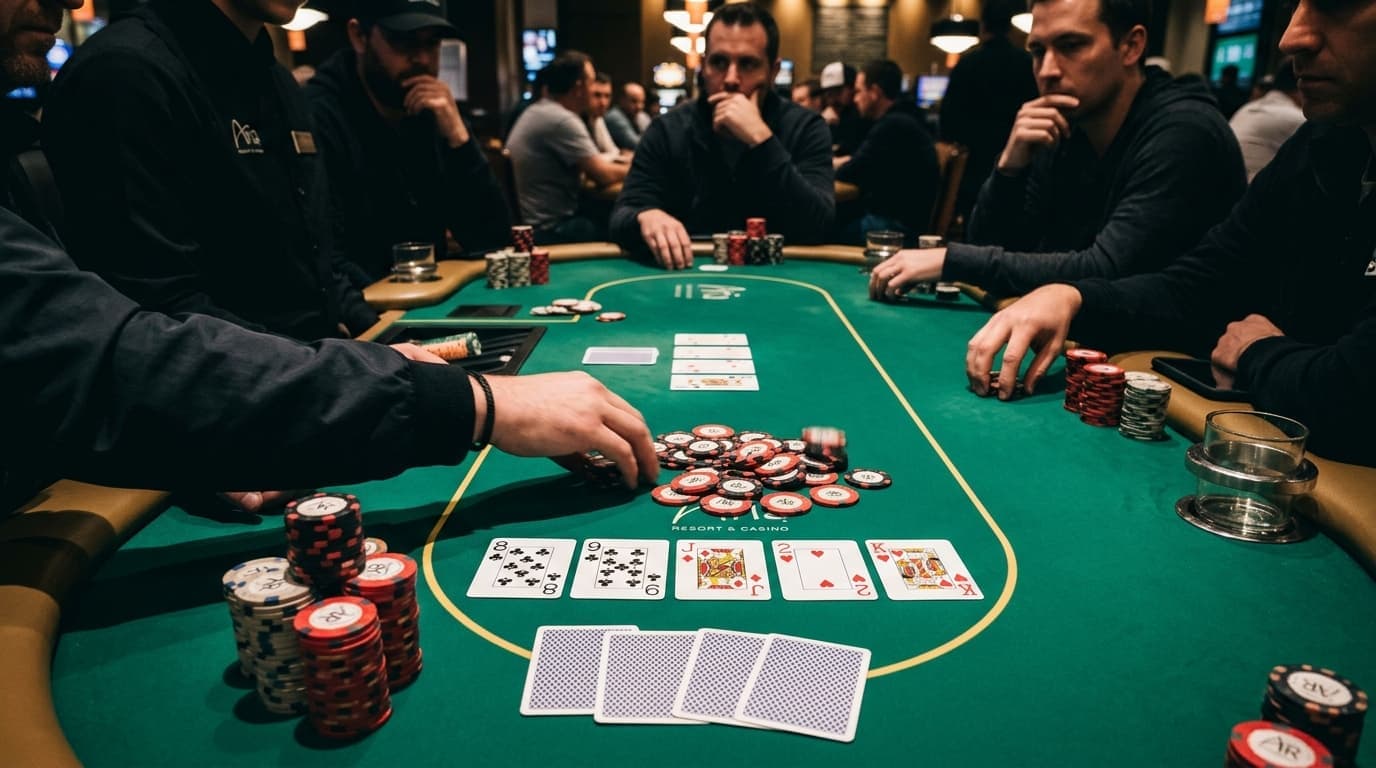
Live multiway river bluffs fail by multiplication — every extra caller compounds the folds you need. Label the river, count the folds, pick one victim.
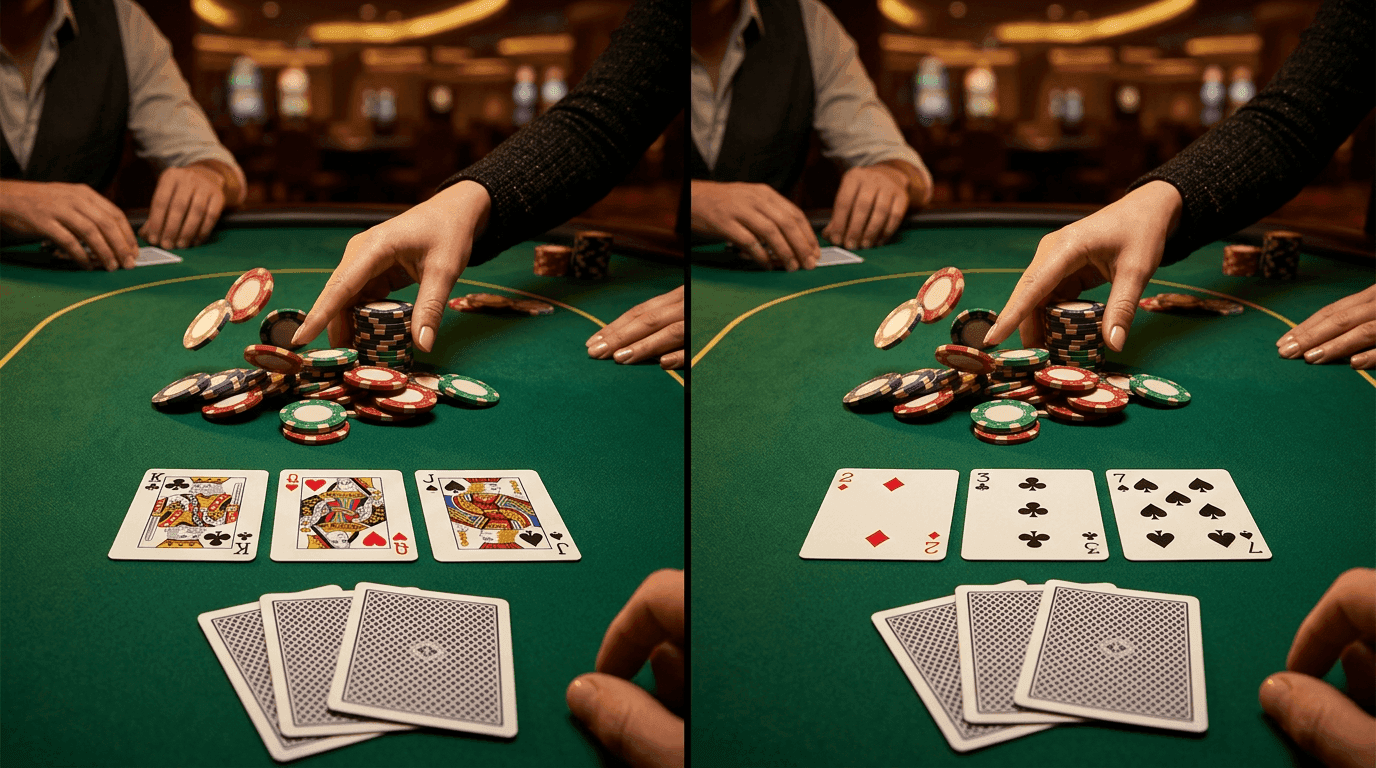
See how the same hand can be a huge favorite or nearly dead depending on flop texture in PLO.
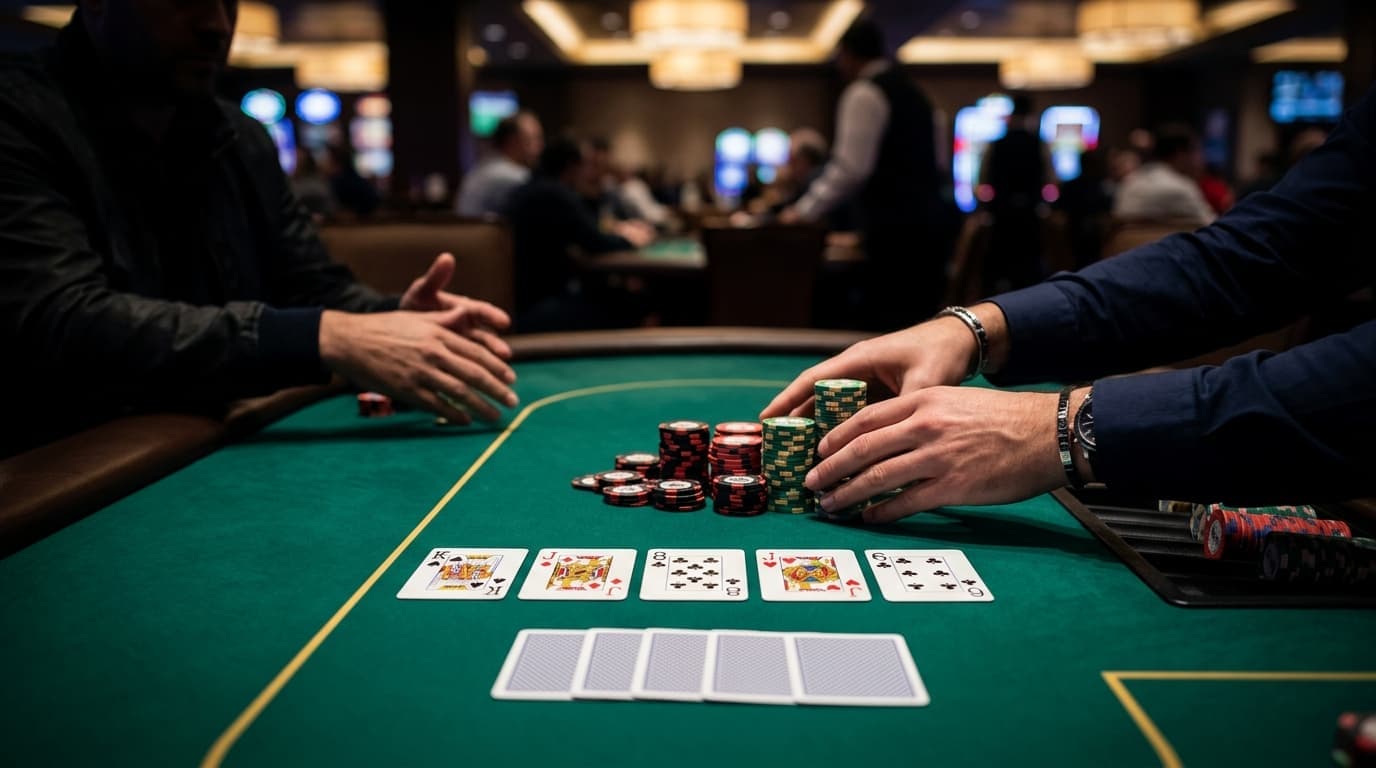
Learn how to respond to river check-raises in PLO by reading pool tendencies, blockers, and the value-to-bluff ratios that matter.
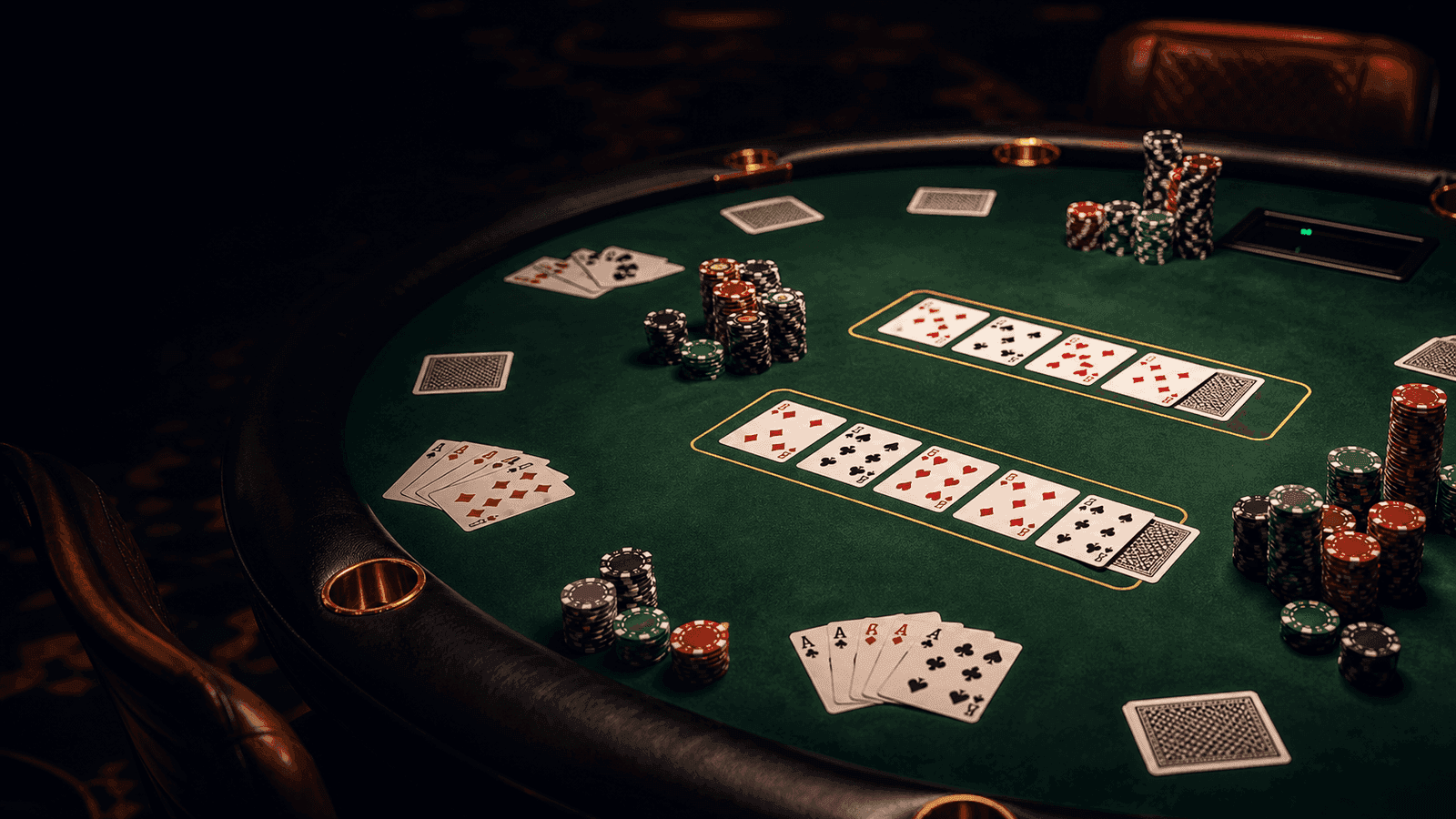
Use a practical live PLO bomb pot strategy for single-board and double-board pots: player count, SPR, sizing, nut coverage, and scoop equity.

Play pair plus draw holdings in PLO more accurately by separating weak equity traps from hands that can stack off profitably.
Ranked by topic fit first, then recency.
Learn which flop textures favor c-betting in PLO, when checking is stronger, and how multiway dynamics change everything.
Learn how to play straight draws, flush draws, and combo draws in Omaha without overcommitting with weak equity.
Build better turn check-raise ranges in PLO by understanding blockers, nut advantage, stack depth, and which bluffs actually print.
Master defending against advanced Pot-Limit Omaha aggression. Learn to counter overbets and multi-street pressure in cash games.
Learn when donk betting in PLO makes sense, which boards favor the caller, and how to build balanced lead ranges for value and bluffs.
Unlock cutting-edge PLO postflop strategy. Learn how solvers approach aggressive overbets and deceptive delayed c-bets to maximize EV in today's tough cash games.
Top set is a chassis, not a hand — side cards swing it 30 equity points against the same nuts. Price your redraws before you build the pot.
Learn how to respond to river check-raises in PLO by reading pool tendencies, blockers, and the value-to-bluff ratios that matter.

Avoid auto c-betting on dynamic connected boards that heavily favor callers and create massive equity overlap in PLO.
Live multiway river bluffs fail by multiplication — every extra caller compounds the folds you need. Label the river, count the folds, pick one victim.
See how the same hand can be a huge favorite or nearly dead depending on flop texture in PLO.
Play pair plus draw holdings in PLO more accurately by separating weak equity traps from hands that can stack off profitably.
Learn why made hands with redraws dominate so many PLO spots and how redraws affect stack-off decisions.
Understand how blockers work in Omaha and how nut blockers improve river bluffing and hand reading.

Improve your river decisions in PLO by understanding blockers, thin value, nut-heavy runouts, and bluff-catching limits.
Learn how turn cards shift equities in Omaha and why good turn play separates winning players from guessers.
See why non-nut flushes cost players so much money in PLO and how better river discipline saves stacks.

Learn the difference between nut and non-nut flush draws in Omaha and how to avoid reverse implied odds mistakes.
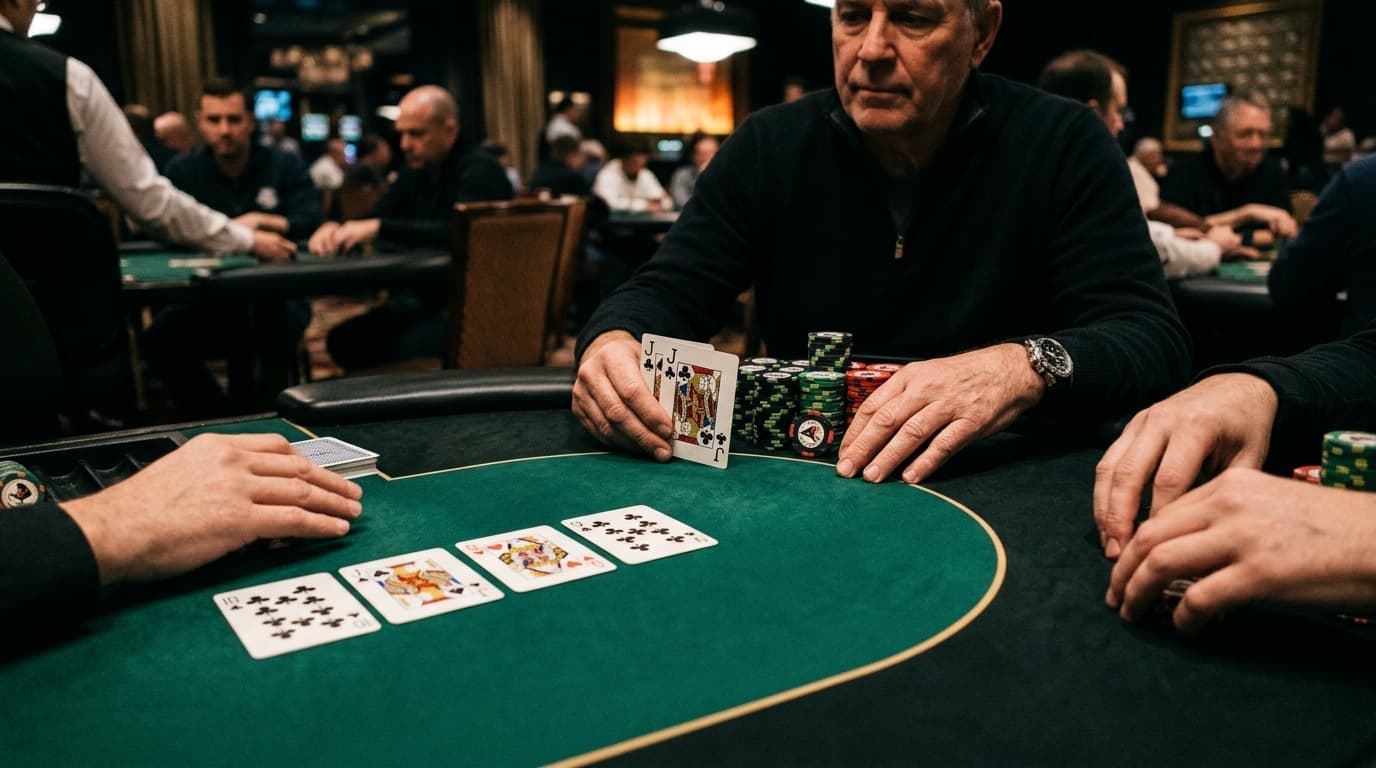
See why top set is not always invincible in Omaha and how board texture and redraws determine set value.
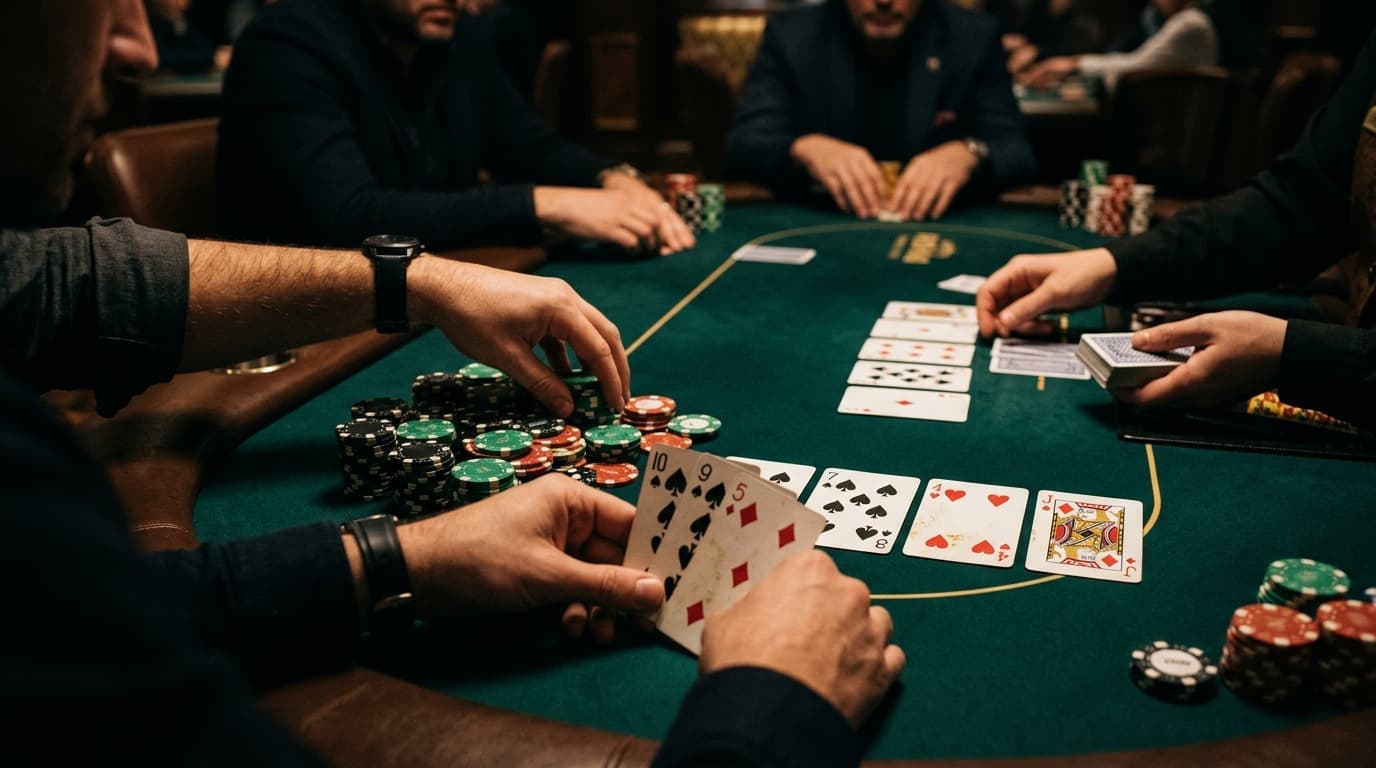
Learn why combo draws are so strong in PLO and how redraws and blockers make these hands powerful stack-off candidates.

A wrap is a straight draw with extra outs because your hole cards surround the board: J-T-7-6 on 9-8-2 has 20. See which outs are clean and which lose stacks.

Discover the flop textures that favor the preflop raiser in Omaha and why dry or paired boards often play differently.
Use a practical live PLO bomb pot strategy for single-board and double-board pots: player count, SPR, sizing, nut coverage, and scoop equity.
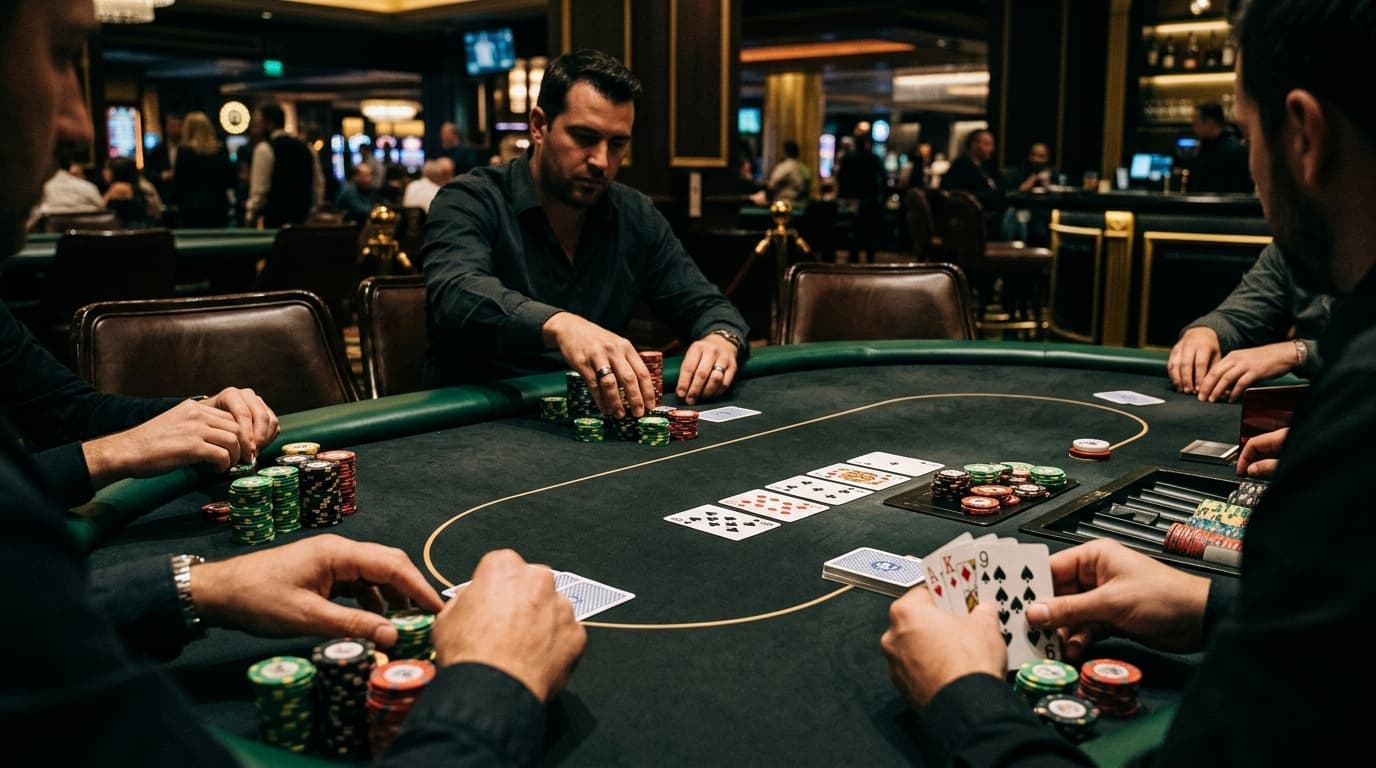
Master multi-street bet sizing in PLO. Learn GTO principles, leverage range & nut advantage, and exploit solver-aware opponents in cash games.

Learn when bluffing is profitable in Pot-Limit Omaha and why random aggression fails on coordinated boards.

Learn why overpairs shrink in value in PLO, which overpairs can continue profitably, and when one-pair hands become traps.