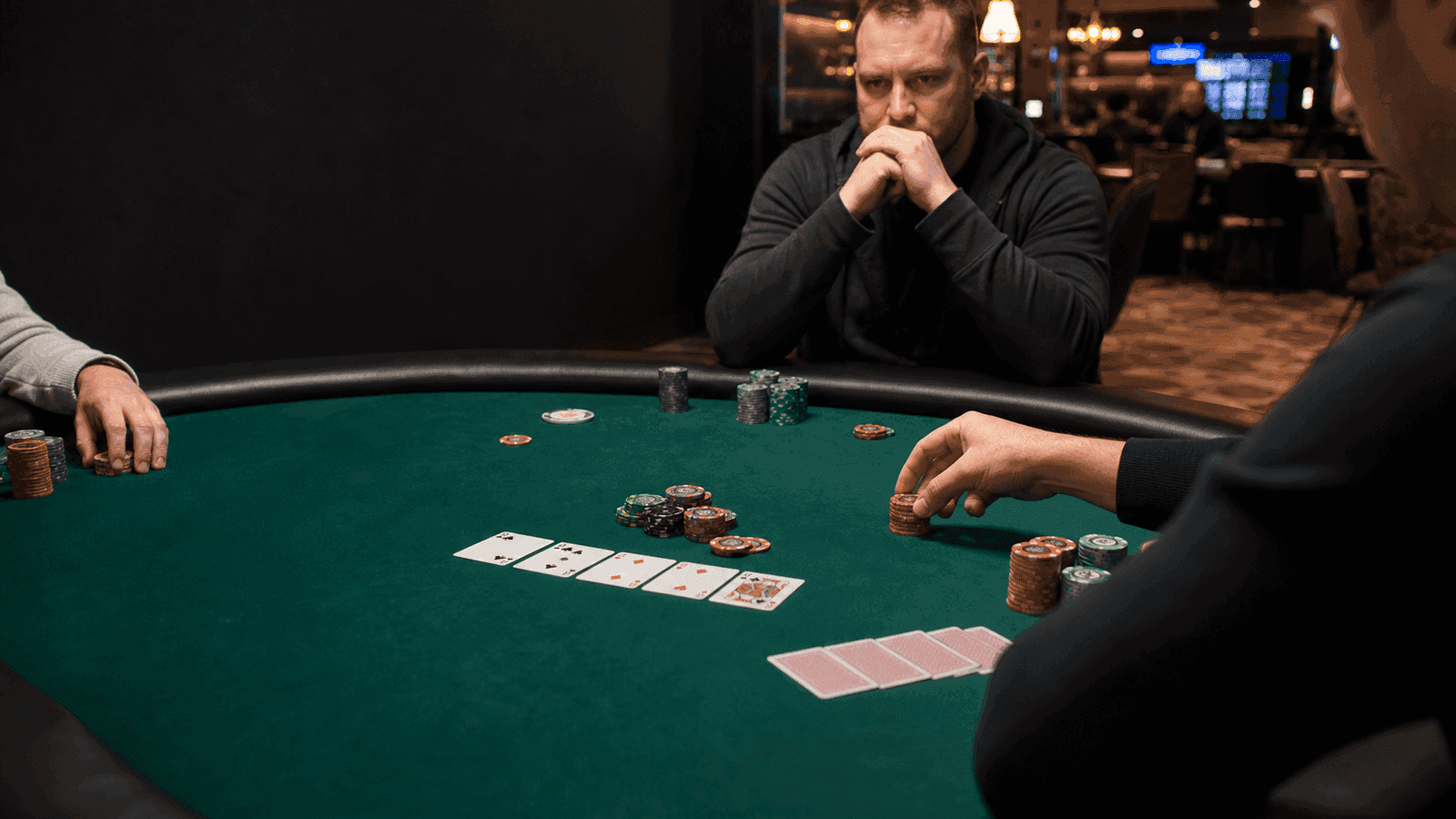
The expensive mistake against nitty live PLO players is trying to make them fold after they have already told you they connected. The first bluffs to remove are low-equity turn barrels and third barrels after a flop call, especially on cards that thicken a passive continuing range. Beat them by stealing before ranges strengthen, sizing small when they fit-fold, and value-betting more often once passive lines cap them.
Start With Evidence, Not Vibes
A real live nit is not just quiet for one orbit. You want repeated evidence: limp-calls too much, overfolds to isolation raises, check-folds dry flops after calling preflop, rarely shows missed-draw aggression, and reaches large river bets with value-heavy hands.
This profile is different from a competent tight reg. The reg may be card-dead, then suddenly defend blinds, check-raise nut draws, or bluff-catch rivers at normal frequency. The nit's leak is more specific: in PLO, their flop calls are usually pair-plus-something, not lonely one-pair guesses. Once they continue, their range carries redraws, gutters, backdoor suits, weak rundowns, and sticky two-pair routes that do not fold just because your story sounds aggressive.
The Anti-Nit Operating System
Use the exploit only when showdowns and live patterns support it.
- Iso-raise wider, but not prettier-trash wider. In position, start around 5x-6x over one limp when the blinds are selective and the limper has already folded to pressure. Add connected hands with nut potential and real board coverage, then sanity-check the bottom of the expansion against the preflop charts and the broader live limper iso-raise framework.
- Stab dry heads-up flops for 30-40% pot. The small size attacks their fit-fold habit without donating extra when they continue. Use it most on boards like K-5-2 rainbow or A-7-3 rainbow after they check; pull back on middling connected boards where limp-callers have dense pair-plus-draw coverage. For the broader texture map, pair this with continuation betting in PLO.
- After a flop call, make them prove weakness again. Barrel turns that improve your equity, favor your preflop range, or give you relevant blockers. Check back the cards that wake up their limp-call continues. On rivers, bet smaller for value when their line is capped, and fold more often when a passive player suddenly chooses a big size; the underlying range logic is the same one covered in capped ranges in PLO.
Worked Hand: Isolate, Stab, Then Stop
You are on the button with J♠T♠9♥7♥ after one limp. The limper has folded to several raises and the blinds are not defending everything, so raise to about 6x. If the room is calling any size in four spots, this hand becomes a cheaper continue more often than an isolation raise; the exploit works only when the raise changes the pot.
The limper calls heads-up. Flop: K♦5♣2♠. They check. This is a clean small stab: bet one-third pot. Their limp-call range misses this board often enough, and a nit who check-folds dry flops gives up immediately with many low rundowns, weak pairs, and suited clutter.
When they call, the hand changes. You did not get called by "one pair" in the hold'em sense. You got called by K-x with side cards, 5-4-3-x, A-4-3-x, backdoor suits, and hands that can pick up enough turn equity to continue.
Good second-barrel cards are more selective. On A♠, your range credibly improves and you pick up spade equity. On Q♠ or Q♥, you add Broadway pressure, backdoor flush equity, and blockers to some king-heavy continues. Those are candidates for a disciplined follow-through, usually around 50-60% pot, because your card and story both improved.
Clear give-ups include 6♦, 7♣, and 9♦. The 6 adds straight density to 7-6-5, 6-5-4, and A-4-3 type calls. The 7 and 9 pair parts of your hand, but they also strengthen sticky pair-plus-draw hands and reduce fold equity after the flop call. Against this opponent, a check-back is not surrender; it is refusing to pay off the portion of the range that already passed the fit-fold test.
Use the turn as a filter, not a pride test:
| Turn card family | Default exploit | Reason |
|---|---|---|
| A♠, Q♠, Q♥ | Barrel selectively for 50-60% pot | Your range improves, you gain equity or blockers, and their king-heavy continues face real pressure. |
| K, 5, or 2 pairing | Check back more often unless you improve | Their flop call contains trips, boats, and stubborn bluff-catchers that do not fold to a story. |
| 6♦, 7♣, 9♦ | Give up or take the free card | These cards add pair-plus-draw continues, straight density, and sticky equity to the hands that already called once. |
| Total blanks like 8♥ on a non-pairing runout | Mix small barrels only with backup | Without blockers or new equity, the exploit is usually to preserve showdown and value-bet later when checked to. |
Thin Value Without Fantasy Bluffs
The river adjustment is not "never bet." It is "stop bluffing into ranges that do not fold, then value bet the hands they actually pay." When a passive nit check-calls earlier streets and checks a clean river, use 35-50% pot with hands that beat bluff-catchers: top two on blank runouts, strong overpairs with blockers, and sets that are not facing completed straights or flushes. That size targets weak top pair, stubborn two pair, overpairs that hate folding, and missed draws with accidental showdown value.
Do not justify thin value by pretending they always have traps. If this player has shown river check-raises or slowplayed nutted hands, check back more. If the river completes the front-door flush or the obvious wrap, their passive line can contain enough nutted hands that your "thin value" turns into a donation; this is where non-nut flush discipline matters. The profit comes from setting a call-friendly price when their line is capped, not from blasting a player whose range has already narrowed.
When The Read Is Wrong
Back off when the evidence changes. The read is wrong if they defend isolations wider than expected, check-raise real draws, barrel missed blockers, or bluff-catch rivers with normal frequency.
Once you see that, tighten the preflop expansion, keep the small flop stabs only on the best textures, and reintroduce selective blocker bluffs instead of automatic give-ups. The anti-nit playbook prints against capped, passive, under-bluffing ranges. Against everyone else, return toward position-first PLO fundamentals and stop letting one quiet orbit write the whole strategy.